
Factory Speaker Replacement in Edison for vehicles with weak clarity and limited bass response
Speakers That Reproduce the Full Recording
Factory speakers degrade predictably after exposure to heat cycling in door panels and dashboards, with foam surrounds cracking and voice coils losing magnetic alignment until even moderate volume produces rattling and distortion. Hi fi audio replaces these worn components with speakers engineered for higher power handling and extended frequency response, restoring definition across vocals, instruments, and bass content that factory drivers cannot reproduce. Upgraded speakers include materials like butyl rubber surrounds and treated fabric cones that resist the temperature swings common in vehicles parked in Edison during summer months.
The replacement process involves removing door panels or dash trim to access mounting locations, verifying that new speakers fit factory cutouts or adapting mounting depths where necessary, and connecting to existing wiring with impedance-matched terminals that prevent signal loss. Speaker selection depends on whether your factory system includes an external amplifier or relies solely on head unit power, with sensitivity ratings chosen to match available wattage.
Request an assessment to identify which speaker positions will deliver the most noticeable improvement for your vehicle and budget.
What Proper Speaker Replacement Requires
Installation begins with measuring mounting depth and diameter to confirm that upgraded speakers fit without interfering with window mechanisms or door lock actuators, then selecting models with sensitivity and impedance characteristics that work efficiently with your existing amplifier output. Wiring adapters preserve factory connectors so you retain compatibility with steering wheel controls and fade/balance adjustments, and speaker brackets compensate for differences between aftermarket and OEM mounting patterns.
You'll hear immediate differences in how cymbals and high-hat details emerge clearly without harshness, how vocal sibilance remains natural rather than shrill, and how midrange instruments occupy distinct positions in the stereo image instead of blending into a compressed center channel. Bass response extends lower than factory paper cones could manage, and you'll notice that increasing volume no longer introduces the buzzing or flapping sounds that indicate mechanical failure in degraded surrounds.
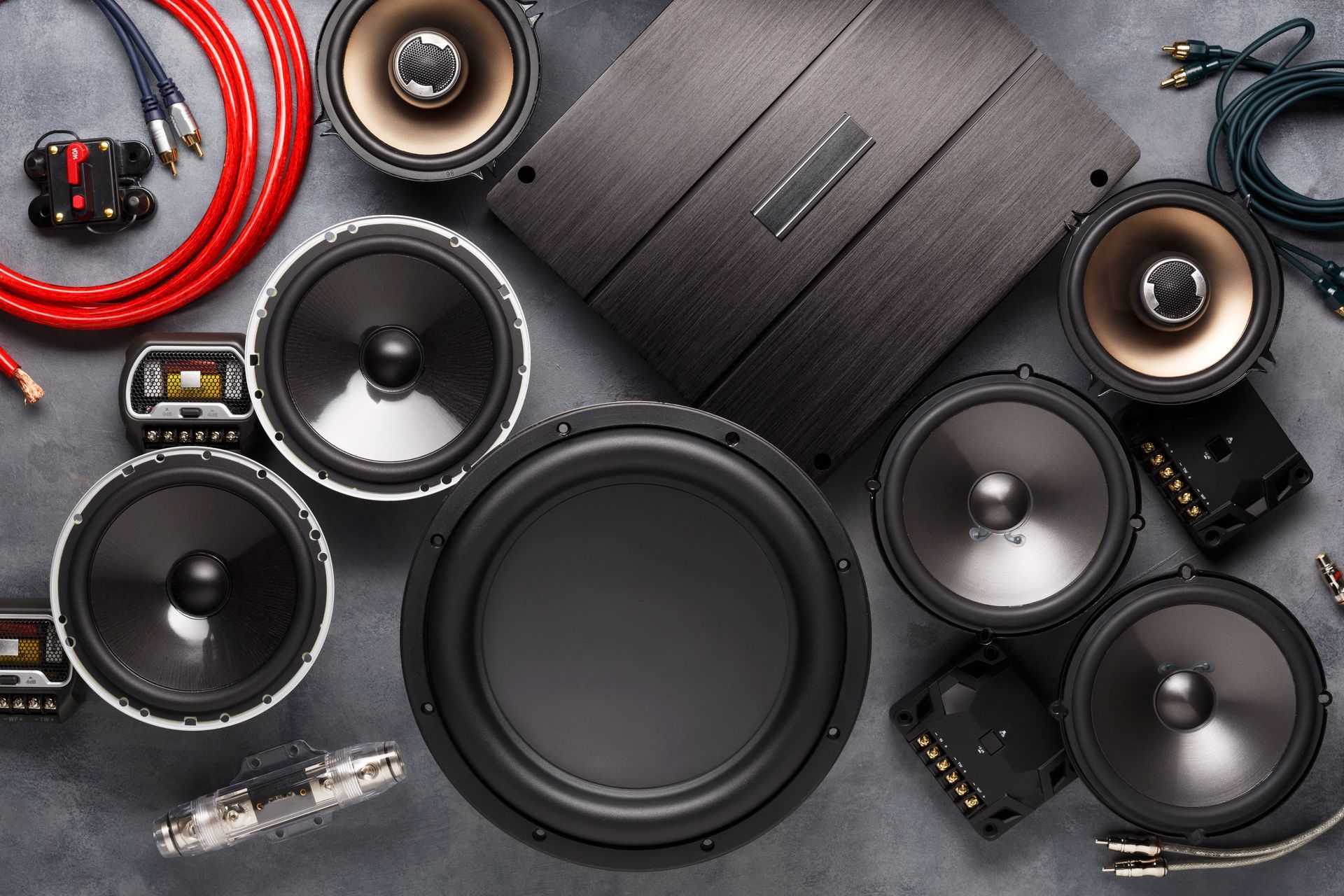
The service includes foam or rubber baffles to seal speaker baskets against door panels, preventing sound waves from canceling between the front and rear of the cone. Component speaker systems separate the tweeter from the woofer, allowing you to position high-frequency drivers at ear level on the door or dashboard for improved imaging and staging, while coaxial designs combine both elements in a single mounting location for simpler installation with fewer modifications.
Questions Before Starting Your Project
Property owners replacing factory speakers often ask about compatibility and what performance changes they should expect from the upgrade.
What makes aftermarket speakers sound better than factory models?
Upgraded speakers use stronger magnets, lighter voice coils, and more rigid cone materials that move with greater precision and less distortion. Factory speakers prioritize cost reduction and use thin stamped baskets and paper cones that deteriorate quickly under sustained use.
How do I know which speaker size fits my vehicle?
Door and dash locations follow standard diameter measurements like 6.5-inch or 6x9-inch, but mounting depth varies significantly between models. Hi fi audio measures the available space in Edison vehicles before recommending speakers, ensuring that the magnet structure and basket depth clear window tracks and door hardware.
What happens to my factory amplifier when I replace the speakers?
The amp remains functional and continues powering the new drivers. Upgraded speakers with higher sensitivity ratings actually perform better with factory amplifier power than the original low-efficiency drivers, producing more output from the same wattage.
When should I replace speakers instead of just upgrading the head unit?
If you hear distortion, rattling, or loss of bass even at low volume, the speakers themselves have failed and no head unit upgrade will improve sound quality. Replacing speakers first gives you a clean foundation, and you can add amplification or source upgrades later if you want additional performance.
How long do upgraded speakers typically last in vehicles?
Quality aftermarket speakers with butyl or rubber surrounds last ten years or longer in vehicles regularly parked outdoors in Edison, compared to three to five years for factory paper cone models. The improved materials resist moisture and temperature cycling that accelerate deterioration in OEM components.
Hi fi audio matches speaker replacements to your listening preferences and whether your system will benefit more from increased sensitivity, deeper bass extension, or smoother high-frequency response. Arrange a vehicle consultation to review component and coaxial options that fit your factory mounting locations without modification.